
Could Reducing Plastic Improve Your Wellbeing?
July marks Plastic Free July, a global movement encouraging people to reduce their reliance on single-use plastics and make more sustainable choices.
Many people take part to help protect the environment, but reducing plastic can also have surprising benefits for our health and wellbeing.
Plastic has become an ever-present part of modern life. From food packaging and water bottles to clothing, carpets and household items,
it’s everywhere. While it offers convenience, many people are becoming increasingly aware of the hidden costs it may have for both our
environment and our wellbeing.
Here are a few reasons why reducing plastic in your home could be beneficial for your physical, mental and emotional wellbeing.
Why Sustainable Choices Often Lead to Better Wellbeing
Plastic waste continues to have a significant impact on wildlife and ecosystems, often ending up in landfill sites, rivers and oceans.
Making more sustainable choices can strengthen our connection with the natural world and increase awareness of the environment around us. For many people, this naturally leads to spending more time outdoors, whether that’s gardening, walking, hiking or simply enjoying local
green spaces.
Time spent in nature has been shown to reduce anxiety, improve mood, support the immune system and benefit overall mental wellbeing.
Good for Your Wallet Too
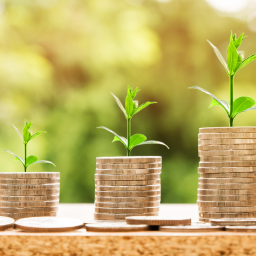
While plastic products can appear cheaper initially, repeatedly replacing disposable items can become costly over time.
Investing in reusable, high-quality alternatives often saves money in the long run while reducing the amount we throw away. Many people also
experience a sense of satisfaction and purpose from making choices that align with their values and contribute positively to the
environment.
Small Steps, Big Impact
You don’t need to overhaul your home overnight. Start with one simple change:
* Replace plastic water bottles with a reusable stainless steel version.
* Use beeswax wraps instead of cling film.
* Choose wooden or metal utensils instead of plastic ones.
* Donate unwanted plastic utensils to a local nursery or forest school.
* Visit a local zero-waste or refill store and explore ways to reduce packaged foods.
Every change, no matter how small, contributes to a healthier home and a healthier planet.
A Final Thought
Plastic Free July is a great opportunity to pause and look at some of our everyday habits.
Perhaps this month is an opportunity to notice where plastic shows up in your daily routine and experiment with one small change. You may be
surprised by the positive impact it has on your home, your health and your sense of wellbeing.
👉 Interested in Learning More?
Our Plastic-Free Living workshop explores the connection between sustainability, health and wellbeing, providing practical ideas that
can help people make simple, achievable changes at home and at work.
📞 Book a call to find out more